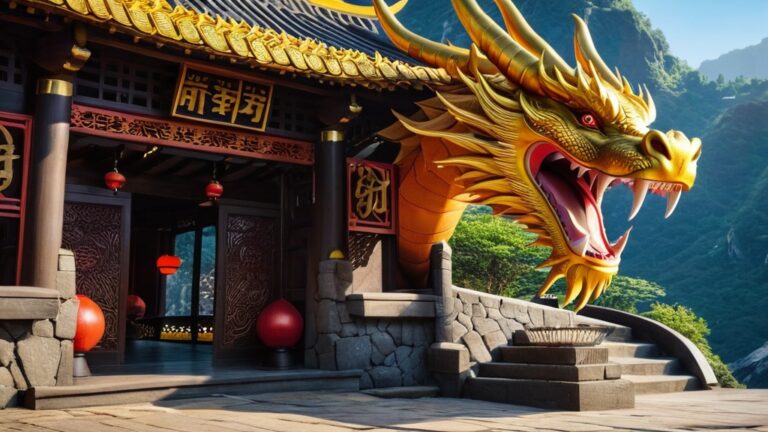
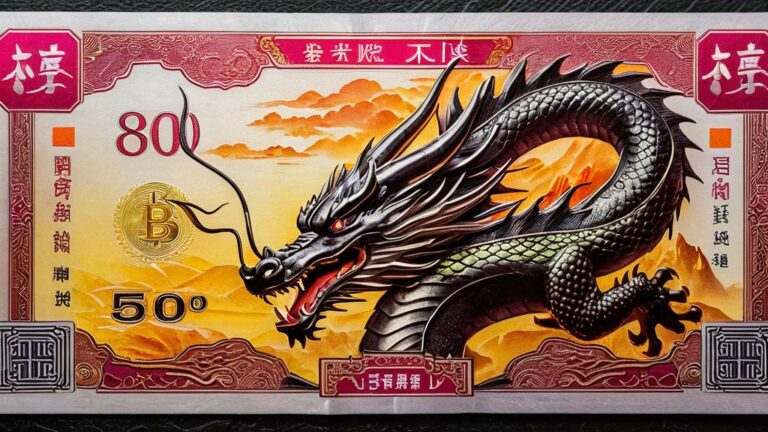
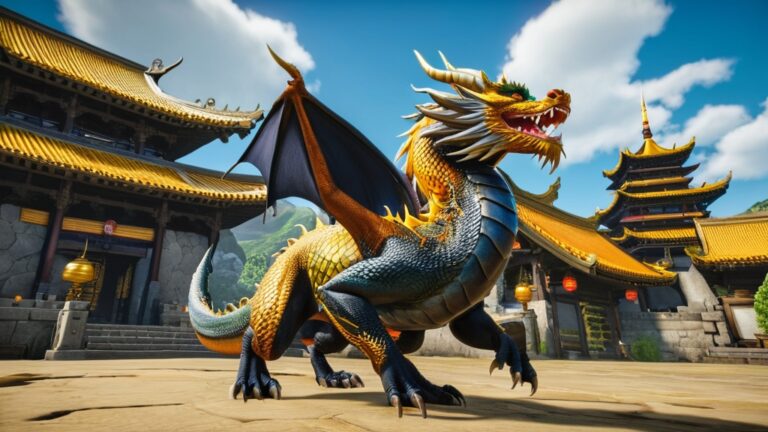
Dragon Raja, a visually stunning MMORPG developed by Archosaur Games, has captivated players with its rich lore, immersive gameplay, and intricate economic systems. The in-game economy of Dragon Raja is a complex web of interactions that mirrors real-world economic principles, providing players with a dynamic environment to explore and engage with. As players traverse the vast landscapes of this fantasy world, they encounter various opportunities to earn, spend, and trade resources, all of which contribute to the overall economic landscape.
Understanding this economy is crucial for players who wish to maximize their experience and success within the game. The economy in Dragon Raja is not merely a backdrop; it is a living entity that evolves based on player actions and market trends. Players can engage in various activities such as crafting, trading, and completing quests, all of which influence the flow of currency and resources.
The game’s design encourages players to interact with one another, fostering a sense of community while simultaneously creating a competitive marketplace. As players delve deeper into the mechanics of the economy, they discover that their choices can have far-reaching consequences, affecting not only their own fortunes but also the economic health of the entire game world.
Key Takeaways
- Dragon Raja’s in-game economy is a complex system that involves various factors and player activities.
- Factors affecting the in-game economy include supply and demand, player behavior, and game updates.
- In-game currency plays a crucial role in purchasing items, upgrading equipment, and participating in various activities.
- Trading and market dynamics are important for players to make in-game money and acquire rare items.
- Strategies for making in-game money include completing quests, participating in events, and engaging in trading activities.
Factors Affecting the In-Game Economy
Several factors play a pivotal role in shaping the in-game economy of Dragon Raja. One of the most significant influences is player behavior. The decisions made by players regarding resource gathering, crafting, and trading can lead to fluctuations in supply and demand.
For instance, if a particular item becomes highly sought after due to its utility or rarity, its price may skyrocket as players compete to acquire it. Conversely, if an item becomes overly abundant due to excessive farming or crafting, its value may plummet, leading to a devaluation of that resource. Another critical factor is the game’s design and mechanics.
Dragon Raja incorporates various systems that can impact the economy, such as seasonal events, updates, and patches. These changes can introduce new items or alter existing ones, creating shifts in player interest and market dynamics. For example, a new expansion might introduce rare materials that players need for crafting powerful gear, leading to increased demand for those materials and a corresponding rise in their market value.
Additionally, the introduction of new gameplay features can encourage players to engage in different economic activities, further diversifying the economic landscape.
Understanding In-Game Currency and its Role
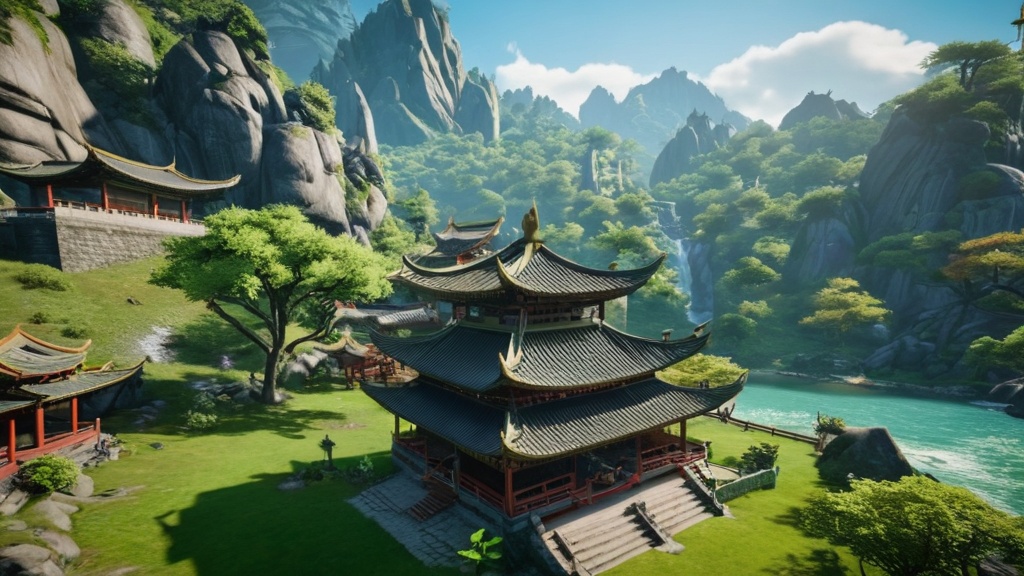
In Dragon Raja, in-game currency serves as the lifeblood of the economy, facilitating transactions and enabling players to acquire goods and services. The primary currency is known as “Gold,” which players earn through various means such as completing quests, defeating monsters, and selling items on the marketplace. Gold is essential for purchasing equipment, consumables, and other resources necessary for progression within the game.
Understanding how to effectively manage and utilize this currency is vital for players seeking to thrive in Dragon Raja’s competitive environment. Beyond Gold, Dragon Raja features additional currencies that serve specific purposes within the economy. For instance, there are premium currencies that can be obtained through real-money transactions or special events.
These currencies often allow players to purchase exclusive items or services that are not available through regular gameplay. The existence of multiple currencies adds layers of complexity to the economy, as players must navigate the various options available to them while considering their own financial strategies. This multifaceted approach to currency management encourages players to think critically about their spending habits and investment choices.
Importance of Trading and Market Dynamics
| Metrics | Importance |
|---|---|
| Volume of Trades | Indicates market activity and liquidity |
| Price Movements | Reflects supply and demand dynamics |
| Market Depth | Shows the level of buying and selling interest |
| Volatility | Affects risk and potential returns |
| Market Sentiment | Influences investor behavior and decision-making |
Trading is a cornerstone of Dragon Raja’s economy, allowing players to exchange goods and services in a vibrant marketplace. The trading system fosters interaction among players and creates opportunities for profit through strategic buying and selling. Players can list items for sale at competitive prices or engage in bartering to secure better deals.
This dynamic marketplace not only enhances the social aspect of the game but also serves as a reflection of supply and demand principles at work. Market dynamics in Dragon Raja are influenced by various factors, including player population, item rarity, and seasonal events. For example, during special events or holidays, certain items may become more desirable due to limited-time availability or unique bonuses.
This increased demand can lead to price surges as players rush to acquire these coveted items. Conversely, when new content is released that renders older items obsolete or less useful, their market value may decline sharply. Understanding these market dynamics is essential for players looking to capitalize on trading opportunities and maximize their profits.
Strategies for Making In-Game Money
To succeed in Dragon Raja’s economy, players must develop effective strategies for generating in-game currency. One common approach is resource gathering, where players collect materials from the environment or defeat monsters to obtain valuable loot. By focusing on high-demand resources or rare crafting materials, players can sell these items at a premium on the marketplace.
Additionally, engaging in crafting can be lucrative; by creating sought-after items or gear upgrades, players can tap into the demand for high-quality equipment. Another strategy involves participating in daily quests and events that offer substantial rewards. These activities often provide opportunities to earn Gold directly or acquire valuable items that can be sold later.
Players should also keep an eye on market trends and fluctuations; by buying low and selling high, they can turn a profit on their investments. Furthermore, forming alliances with other players can enhance trading opportunities and create a network for sharing resources and information about market conditions.
Impact of Player Activities on the Economy

Player activities have a profound impact on Dragon Raja’s economy, shaping its landscape through individual choices and collective behaviors. As players engage in various activities such as farming, crafting, and trading, they contribute to the overall supply of goods available in the marketplace. This influx or depletion of resources can lead to significant shifts in prices and availability of items.
For instance, if a large number of players begin farming a specific resource en masse, it may flood the market and drive prices down. Moreover, player-driven events such as guild competitions or community challenges can also influence economic conditions. When players come together for collaborative goals, they may create temporary spikes in demand for certain items or services needed to achieve those objectives.
This collective effort can lead to short-term economic booms or busts depending on how well players respond to these challenges. Understanding how individual actions contribute to broader economic trends is essential for players looking to navigate Dragon Raja’s complex economic landscape effectively.
Balancing the In-Game Economy
Maintaining balance within Dragon Raja’s economy is crucial for ensuring a fair and enjoyable experience for all players. Developers regularly monitor economic conditions and player behaviors to identify potential imbalances that could disrupt gameplay. For instance, if certain items become too easy to obtain or if inflation occurs due to excessive Gold generation from specific activities, developers may implement adjustments such as nerfing resource drops or introducing new sinks for currency.
Player feedback also plays a vital role in balancing the economy. Developers often engage with the community to gather insights on market conditions and player experiences. By listening to player concerns about item availability or pricing issues, developers can make informed decisions about necessary changes to maintain equilibrium within the economy.
Striking this balance requires careful consideration of player engagement while ensuring that no single group dominates the market or experiences unfair advantages.
Future Developments and Changes in Dragon Raja’s Economy
As Dragon Raja continues to evolve with new content updates and expansions, its economy will inevitably undergo changes that reflect these developments. Future updates may introduce new currencies, items, or gameplay mechanics that alter existing economic dynamics. For example, upcoming expansions could bring new crafting systems that allow players to create unique gear or consumables with distinct properties, thereby influencing supply and demand patterns.
Additionally, ongoing player engagement will shape how the economy develops over time. As new players join the game and existing players adapt their strategies based on market conditions, the economy will continue to evolve organically. Developers will likely remain vigilant in monitoring these changes while implementing adjustments as needed to ensure a balanced experience for all participants in Dragon Raja’s vibrant economic landscape.
In conclusion, understanding Dragon Raja’s economy is essential for players seeking success within this immersive MMORPG world. By grasping the factors influencing the economy, mastering currency management strategies, engaging in trading dynamics, and adapting to player activities, individuals can navigate this complex system effectively. As future developments unfold within Dragon Raja’s economy, players will have ample opportunities to explore new avenues for wealth generation while contributing to an ever-evolving marketplace that reflects their collective actions and choices.